
Branding your Kaua‘i restaurant: more than a logo on a menu

When I say brand, I do not mean the logo. The logo is one component. Your restaurant brand is the complete system of visual and verbal decisions that shape how people perceive your business before, during, and after they eat there.
That includes your signage, your menu design, your takeout packaging, the way your social media looks and sounds, your website, your staff uniforms, your interior environment, and the language you use to describe what you do. Every single one of those touchpoints either reinforces a clear identity or sends a mixed signal.
What a restaurant brand actually is
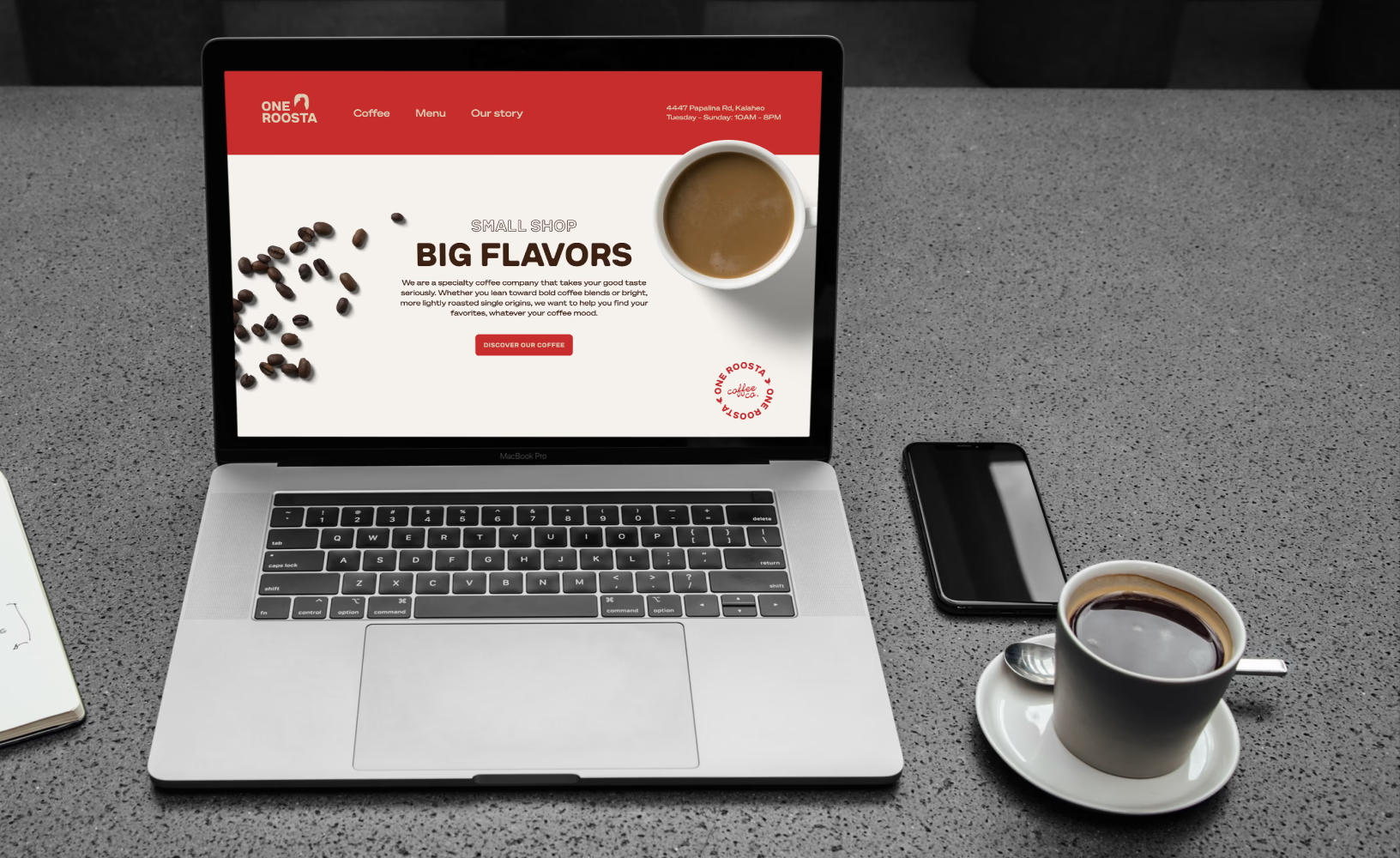
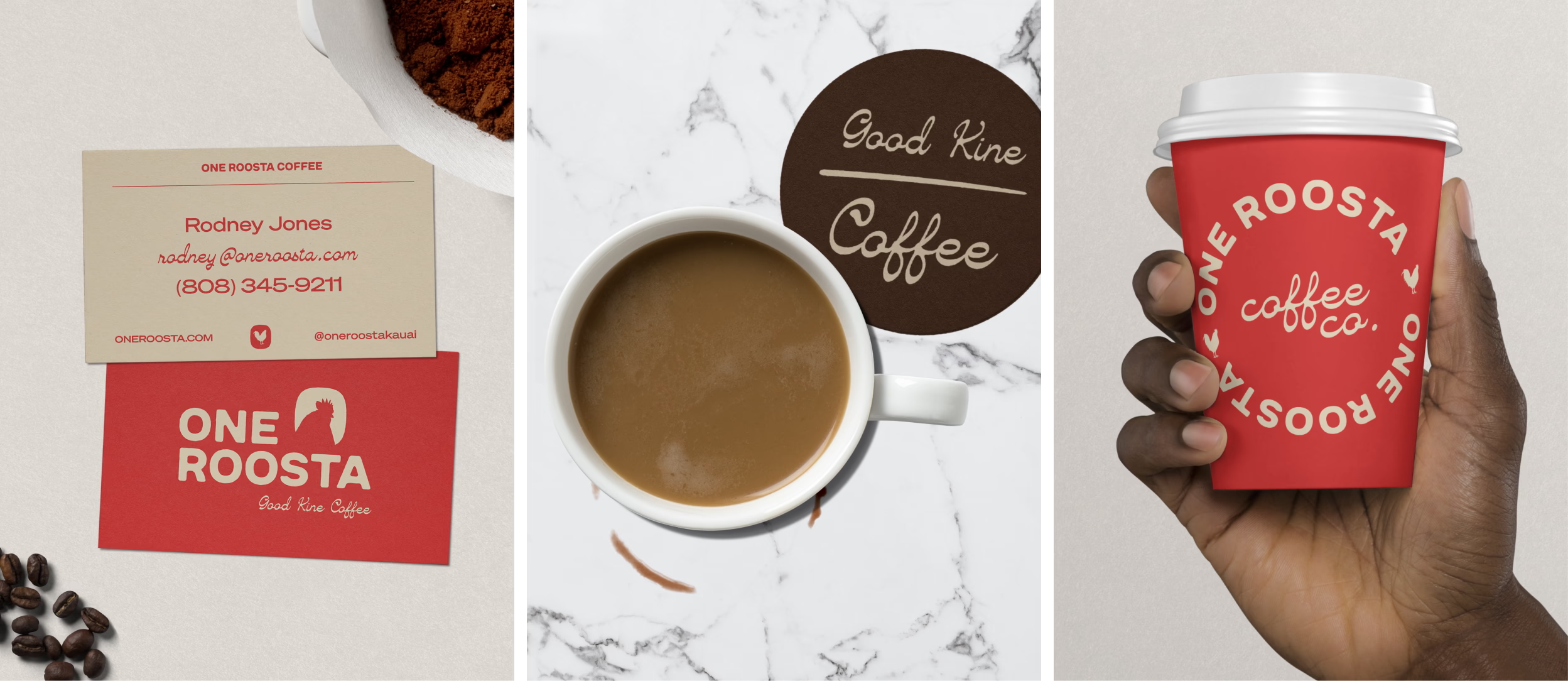
Restaurants have more brand touchpoints than almost any other type of small business. A professional providing a service might need a logo, business cards, and a website. A restaurant needs all of that plus menus, packaging, signage, apparel, table markers, coasters, social content, and sometimes vehicle wraps and event materials. The sheer number of surfaces where your brand shows up means consistency matters more, not less.
The cost of inconsistency
Here is what inconsistency looks like in practice. The logo on the building is a different color than the one on the menu. The Instagram posts alternate between three different fonts. The website feels like it belongs to a completely different business than the physical space. The takeout bag is plain white with a stamp that does not match anything else.
None of these things are catastrophic on their own. But together, they create an impression that the business is not fully formed. Customers may not be able to articulate why, but they sense it. It registers as a lack of care or professionalism, even if the food is exceptional.
People decide where to eat based on a two-second scroll through Instagram or a glance at the storefront. If what they see does not immediately communicate something clear and appealing, they move on.
What the best restaurant brands on the island get right
The restaurants that build lasting reputations here tend to share a few things in common when it comes to their brand.First, they feel intentional. Everything from the menu layout to the social content looks like it was designed by someone who thought about it. That does not mean expensive or flashy. It means considered.
Second, they feel local without being cliche. There is a difference between a brand that authentically reflects island culture and one that slaps a plumeria on everything. The businesses that resonate with both locals and visitors are the ones that find a visual language rooted in something real about who they are and where they operate.
Third, they are consistent across every touchpoint. The experience of finding them online, walking in the door, reading the menu, and seeing their posts later all feel like the same place. That continuity builds trust, and trust builds repeat customers.
The touchpoints that matter most
If you are running a restaurant and thinking about investing in your brand, here is where the money goes furthest.
Signage and exterior. This is your first physical impression. It needs to be legible, distinctive, and aligned with the experience inside. A hand-painted sign communicates something very different from a printed panel, and both can be the right choice depending on the brand.
Menu design. Your menu is the most-read piece of design in your entire business. It affects what people order, how much they spend, and how they feel about the experience. A well-designed menu is not just attractive. It is strategic.
Packaging and takeout materials. Your bag, your cup, your container are all brand ambassadors that leave the building and get seen by other people. A branded takeout bag is a walking advertisement.
Social media presence. For most restaurants, Instagram is the primary discovery channel. Your grid is your storefront for anyone who has not visited yet. If it looks disjointed or low-effort, that is the impression they carry.
Website. Even a simple site with your menu, hours, location, and a few photos does meaningful work. It gives Google something to index, gives potential customers a place to confirm details, and gives you a platform you own.
When to invest
The ideal time to build a restaurant brand is before you open. Every decision you make during buildout, from the paint colors to the menu printing, benefits from having a clear brand direction in place first.
But if you have been open for a while and your brand has grown organically, it is not too late. A rebrand for an established restaurant can re-energize the business, attract a new audience, and give your team a renewed sense of pride in how the place presents itself.
The key is doing it comprehensively rather than piecemeal. Redesigning just the logo without updating the menu, signage, and social presence creates a new kind of inconsistency. A full brand system, built from strategy through execution, is what makes the difference.
What the process looks like
When I work with a restaurant client, the process starts well before any design work. I want to understand the food, the ownership, the neighborhood, the competition, and the customer. What makes this place different from the other options within a ten-minute drive?
From there, we build a brand strategy that answers the big questions: who is this for, what do they value, and how should this brand make them feel? That strategy becomes the foundation for every visual decision.
Then we move into the identity system: logo, color palette, typography, brand voice, and supporting elements like patterns or illustration styles. Once that system is established, we apply it across the touchpoints that matter most for the business, whether that is a full set of print collateral, a website, social templates, or all of the above.
The result is a restaurant that looks, sounds, and feels like one thing everywhere a customer encounters it. That coherence is what separates a place people try once from a place people come back to and tell their friends about.
It is not about being fancy
A common misconception is that investing in branding means making things look expensive or polished in a way that does not fit a casual restaurant. That is not what good branding does.
Good branding makes you look like yourself, clearly and consistently. A plate lunch spot should look like a plate lunch spot, not a fine dining restaurant. But it should look like a plate lunch spot that knows exactly what it is and presents that with confidence.
Some of the strongest restaurant brands in the world are casual, affordable, and unpretentious. What makes them strong is not polish. It is clarity.
If your restaurant has great food and a loyal following but your brand does not reflect the quality of what you are serving, that gap is costing you customers you will never know about. They scrolled past. They drove by.
That is the work branding does. And in a place where every customer counts, it is worth doing well.

Kerry Nehil is a brand designer based in Kalaheo, Kaua'i. He works with small businesses across the island to build brands that are strategic, distinctive, and built to last.
Related reading

How to find a brand designer on Kaua’i
What to look for when you're ready to grow your business.

What goes into building a successful brand?
Insight into the branding process and what steps are necessary to ensure success for your business.

Behind the brand: Kobi Yasutake
A collaboration resulting in a meaningful brand that avoids clichés.